What is Performance Art?
This introductory text provides a brief overview of Performance Art. Terms associated with Performance Art are indicated in CAPITALS and are elaborated on in
the glossary or by hovering the cursor over the term.
PERFORMANCE ART
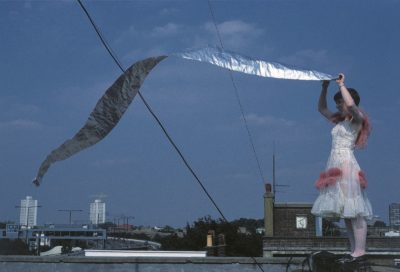
is a form of arts practice that involves a person
or persons undertaking an action or actions within a particular timeframe
in a particular space or location for an audience. Central to the process and
execution of Performance Art is the live presence of the artist and the real
actions of his/her body, to create and present an ephemeral art experience
to an audience. A defining characteristic of Performance Art is the body, considered
the primary
MEDIUM
and conceptual material on which Performance Art is based.
Other key components are time, space and the relationship
between performer and audience.
Primarily an
INTERDISCIPLINARY
practice, Performance Art can employ any
material or medium across any discipline, including
MUSIC,
DANCE,
LITERATURE,
POETRY,
ARCHITECTURE,
FASHION,
DESIGN and
FILM.
While Performance Art employs strategies such as
RECITATION and
IMPROVISATION
associated with
THEATRE and
DRAMA,
it rarely employs plot or
NARRATIVE.
Performance Art can
be spontaneous, one-off, durational, improvised or rehearsed and performed with
or without scripts. Performances can range from a series of small-scale intimate
gestures to public rallies, spectacles or parades presented in solo or collaborative
form. In contrast to conventional methods of theatre production, the visual artist
is the performer, creator and director of the performance. Performance Art can
be situated anywhere: in
ART MUSEUMS,
GALLERIES
and alternative art spaces or in impromptu sites, such as cafés, bars or the street, where the site and often
unknowing audience become an integral part of the work's meaning.
Performance Art can trace its early influences to medieval performances by
poets, minstrels, troubadours, bards and court jesters and also to the spectacles
and masquerades of the
RENAISSANCE.
However, the origins of Performance
Art are more commonly associated with the activities of early twentieth century
AVANT-GARDE
artists, in particular those associated with
FUTURISM,
CONSTRUCTIVISM,
AGITPROP,
DADA,
SURREALISM and the
BAUHAUS.
Celebrating all things modern, Futurist artists devised new forms of art
and artist-led events, such as repetitive actions, lectures, manifestos, mass
demonstrations, and live street tableau x, to express the dynamism of modern
urban life. Artists drew inspiration from all forms of performance, including popular
entertainment formats, such as the variety show, circus, cabaret and opera. Live
public engagement was paramount and performances involved improvised,
unpredictable and often chaotic programmes delivered by artists, poets, actors,
architects, critics and painters, frequently accompanied by discussions and debates
to spread and initiate new cultural ideas.
Other formative influences on the development of Performance Art
include the socially-orientated, utilitarian ethos of Constructivism with its emphasis
on audience participation; the underground theatre of Agitprop; the nihilistic, antiart
agenda of Dada with their anarchic collaborations, cabarets and performances;
the experimental performances, films and theatre productions of the Surrealists
and the innovations of the Bauhaus school and its influence on interdisciplinary
arts education. These experimental and innovative art movements contributed
to the displacement of the art object as the locus of artistic engagement and the
establishment of performance as a legitimate form of artistic expression. They also
set a new precedent for interdisciplinary
COLLABORATION,
where artists employed a range of art forms to create new modes of performance and artist-led events.
The influx of European artists into America in the 1930s and '40s, in particular
those associated with Surrealism and the Bauhaus, contributed to the emergence of
ABSTRACT EXPRESSIONISM and
ACTION PAINTING
as the dominant modes of artistic expression during the 1940s and '50s. The development of Performance
Art is associated with the photographic and film documentation of action painters.
Artists perceived the action of creating the art object as a potential for performance
in itself, and reinterpreted this through live painting performances using the human
body as a paint brush.
The
MULTIDISCIPLINARY
events and performances known as
HAPPENINGS
in the late 1950s and early '60s had a significant influence on the development of
Performance Art. Happenings emphasised the importance of chance in artistic
creation, audience participation and the blurring of the boundary between the
audience and the artwork. Similarly, the interdisciplinary approach employed by
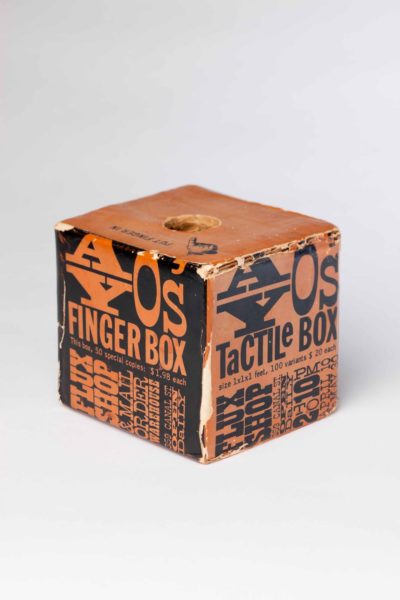
FLUXUS
artists sought to blur the distinction between art and the everyday.
Prompted by the social, cultural and political changes during the 1960s,
artists became concerned with the increasing
COMMODIFICATION
of art and the
relationship of the art institution to broader socio-economic and political processes.
Informed by new developments across a range of theoretical and practical
disciplines, such as
FEMINISM,
POSTCOLONIALISM and
CRITICAL THEORY
, and drawing on earlier strategies of disruption, artists devised new forms of practice,
such as temporary,
TEXT-BASED,
DIDACTIC
and performative work, to complicate the perception of the art object as commodity.
By the 1970s the term Performance Art had come into general usage and
was closely associated with
CONCEPTUAL ART
, which emphasised the production
of ideas over art objects. The ephemeral, corporeal and radical potential of
Performance Art appealed to artists committed to destabilising the material
status of the art object. The potential for Performance Art to bypass the museum
or gallery and mediate directly with the public instigated a surge of
ARTIST-LED INITIATIVES
and alternative spaces in which experimentations in performance could
be devised. Performance Art employed many of the tendencies of
SITE-SPECIFIC ART and
INSTITUTIONAL CRITIQUE
in its consideration of space, context, site and intervention.
The proliferation of Performance Art in the 1970s resulted in the emergence
of new forms and categories of Performance Art. Prompted by the political and
social upheaval of the 1960s, activist-based performances, such as
ACTIVIST ART,
STREET ART and
GUERRILLA THEATRE
, sought to draw attention to political and
social issues through satire,
DIALOGICAL
and protest techniques. Body-based
performances were influenced by the emergence of feminist theory and critique
in the 1960s and '70s which re-evaluated traditional representations of the female
body. Artists used their bodies to challenge restrictive definitions of sexuality,
actively exhibiting their own naked bodies to undermine conventional notions of
female nudity. Similarly, artists used their bodies to test the limits of the performing
body, pursuing themes of endurance, self-control, transformation, risk and pain. The
body was interpreted as a universal
READYMADE
which gave rise to offshoots of
Performance Art, such as
BODY ART,
FEMINIST ART and
LIVING SCULPTURE.
PHOTOGRAPHY,
FILM and
VIDEO played a central role in the
DOCUMENTATION
of Performance Art and these mediums became the
primary means by which Performance Art reached a wider public. By the 1980s,
performance artists were increasingly incorporating technological media into their
practice, such as
SLIDE PROJECTION,
SOUND,
DIGITAL MEDIA and
COMPUTER-GENERATED IMAGERY
to create associated art forms such as
VIDEO ART,
SOUND ART and
INSTALLATION ART.
Having circumvented the museum and gallery for decades, more and more
Performance Art is situated and performed within museum and gallery spaces.
The ephemeral and transient nature of Performance Art presents challenges
with regard to its conservation, archiving and re-presentation. However, many
contemporary museums and galleries are restaging early works, presenting new
work, adopting interdisciplinary programming and acquiring live performances
into their collections. There are numerous organisations, training programmes and
festivals dedicated to Performance Art and an increasing body of professional
practitioners continue to address its boundaries, relevance and significance as a
form of
CONTEMPORARY ART.
|