What is Photography?
This introductory text provides a brief overview of Photography. Terms associated with Photography are indicated in CAPITALS and are elaborated on in
the glossary or by hovering the cursor over the term.
The word PHOTOGRAPHY
literally means 'drawing with light', which
derives from the Greek photo, meaning light and graph, meaning to draw.
Photography is the process of recording an image - a photograph - on lightsensitive
film or, in the case of digital photography, via a digital electronic or
magnetic memory.
The photograph is evident in nearly every aspect of modern life. As
a form of communication and documentation, photographs are present in
newspapers, magazines, advertisements, posters, television, the Internet,
passports, ID cards, archives, security and SURVEILLANCE SYSTEMS,
forensics and medicine. Photography also plays an important role in domestic
and recreational activities. Most photographs produced today take the form
of SNAPSHOTS documenting activities such as holidays and celebrations.
With the prevalence of digital cameras and mobile phone cameras, these
activities are also documented for display on photo-sharing websites and
photo-based SOCIAL NETWORKING
SITES. Despite the prevalence
of photography in many aspects of modern life, only a small minority of
photographs are considered to be art and tend to be displayed in museums
and galleries in formats similar to painting.
The invention of photography is a contested subject. It was the
outcome of many technological developments, most notably associated
with the INDUSTRIAL REVOLUTION in the nineteenth century, but was also
influenced by earlier technological developments such as the CAMERA OBSCURA, which is an optical device used during the RENAISSANCE to aid
drawing and perspective.
The first fixed photograph was produced by Joseph Niépce in 1827
and was originally referred to as a HELIOGRAPH due to
the long period of
exposure to the sun required to produce the image. Niépce collaborated
with Louis Daguerre to produce the DAGUERREOTYPE which was the result of their experiments with light-sensitive paper. The Daguerreotype became
a popular method of photography; however, because it was expensive to produce and it was not possible to create multiple images, it was used mainly for portraiture. In the 1830s William Henry Fox Talbot developed the more
versatile CALOTYPE, which allowed for the production of multiple prints
through the development of a negative image.
The introduction of low-cost portable cameras, such as the Kodak
camera in the 1880s and the Brownie in the 1900s, resulted in the increased
popularity and use of photography for domestic and recreational purposes.
These innovations contributed to the development of photography making
it more visible and accessible to a growing middle class of consumers
and a working class with increased leisure time and disposable income.
Photography also became important to the promotion and dissemination of
commercial goods through advertising, as a consequence of its capacity for
mass reproduction.
The development of lightweight and flexible equipment, such as
the Leica in the 1920s and innovations in film in terms of light and speed,
resulted in more dynamic and spontaneous photography. These innovations
of photography as a means of documentating social, political and cultural
events in the form of DOCUMENTARY PHOTOGRAPHY. In the 1920s
and '30s documentary photography played an important role in recording social and
cultural events during the Depression era in America.
The ubiquity of photography for domestic and recreational purposes,
as a result of cheap and easy-to-use cameras and its use for social purposes,
contributed to the emergence of a distinction between different modes of
photography. Recreational photography in the form of the snapshot was
associated with the amateur documentation of aspects of everyday life.
Documentary photography was associated with the recording of social and
political events for the purposes of documentation and communication.
ART
PHOTOGRAPHY was associated with the artistic expression of the
photographer. The mechanical nature of photography, its potential for
mass reproduction and its association with commercial enterprise, raised
questions, for some, about its consideration as art, where art was associated
with beauty, originality and the imagination and technical skill of the artist.
Despite these reservations, some early photographers sought to ensure
photography's status as art by adopting the conventions of painting, such as
posed portraits, landscapes, elaborate TABLEAU and also by presenting their
work in academy-style displays. They used soft focus and PRINTMAKING
techniques, such as PHOTOGRAVURE, to create painterly effects in their
photographs. This movement became known as PICTORIALISM.
At the turn of the twentieth century, photography displaced painting
as the primary mode of pictoral representation, freeing artists to experiment
with new media and methodologies. Embracing all things new and modern,
many artists associated with the AVANT-GARDE of the early twentieth
century were influenced by or adopted the technological developments of
photography and applied them to their work. No longer concerned with
representation, artists associated with CUBISM focused on the medium and
structure of painting itself, challenging the illusory nature of painting and
prompting the development of ABSTRACTION. Other
avant-garde artists
associated with FUTURISM, DADA, SURREALISM and CONSTRUCTIVISM
experimented with the processes and material properties of photography to
produce photographic work in the form of PHOTOGRAMS, SOLARISATION
and PHOTOMONTAGE.
Influenced by these avant-garde movements and also by developments
in documentary photography, emerging modernist photographers
abandoned the painterly and manipulated style of pictorialism, focusing
instead on the inherent properties of photography, such as cropping
and sharp focus. This resulted in more realistic and experimental images
reflecting tendencies towards abstraction within avant-garde practice. This
approach became known as STRAIGHT PHOTOGRAPHY. The emphasis on the medium's inherent qualities, the exploration of abstraction and the role of
the photographer as author expressing his/her vision, distinguished this work
from the more prevalent forms of social and documentary photography and
were central to its consideration as art.
The modernist period tended to be media-specific, where artists
worked primarily in a single medium, such as painting or sculpture.
Photography's INDEXICALITY - its association with its context - and the
assumptions underpinning its capacity to represent reality inhibited it
from being fully embraced as an art form at the height of MODERNISM,
when abstraction was the dominant mode of expression. However, social
and political changes in the 1960s resulted in a shift towards social
considerations in art in general and a reconsideration of photography as
an artistic medium. This new POSTMODERN era was characterised by
interdisciplinarity, where artists employed a range of media, including
photography, in the achievement of their artistic objectives. Consequently,
photography acquired a more.
During this period, artists adopted strategies of APPROPRIATION
and MASS-PRODUCTION to undermine modernist notions of the
artwork
as an original, unique, commodifiable object. POP ART embraced the massproduced
imagery of advertising and popular culture largely generated by
photography. Emphasis was placed on the idea or concept rather than the
production of an art object. Artists began to experiment with new forms
of practice, such as temporary, textual, performative or DIDACTIC work to
challenge the COMMODIFICATION of the art object. Photography played
an important role in documenting the emerging conceptual and processbased
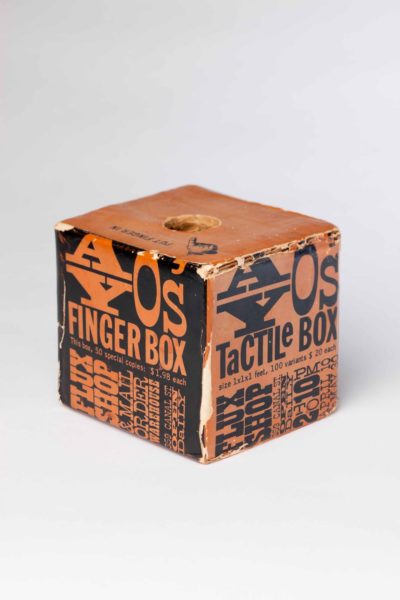
practices of CONCEPTUAL ART, FLUXUS, PERFORMANCE ART
and HAPPENINGS. The photographic documentation of such ephemeral,
conceptually-based practice was generally not considered to be art;
however, over time, it has acquired the status of an art object, where it is
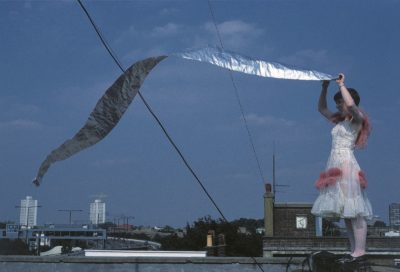
now collected and displayed as such. For some performative artists, the
documentation of their practice is considered an inherent component of
the overall work. Equally, many art photographers have appropriated the
performative strategies derived from conceptually-based work to stage
their photographs.
The pace of technological development has accelerated considerably
in the second half of the twentieth century with the development of DIGITAL TECHNOLOGY, the COMPUTER and the INTERNET. Developments in FILM
and VIDEO and the emergence of NEW MEDIA ART have expanded the
possibilities for new technologies to inform contemporary art practice. In the
1970s and '80s art photography began to encompass colour photography
and documentary photography; consequently many documentary
photographs; are now developed with the gallery space, rather than the
newspaper or magazine, as the intended forum for display. The development
of the digital camera and the mobile camera phone have transformed
the process of producing and developing photographs. Yet many art photographers continue to use traditional methodologies to produce and
develop their photographs and some employ strategies from earlier forms
of practice, such as pictorialism and tableau photography, in the production
of their photographic work.
Since the end of the twentieth century, photography has become
a common medium among artists, suggesting that it now occupies a
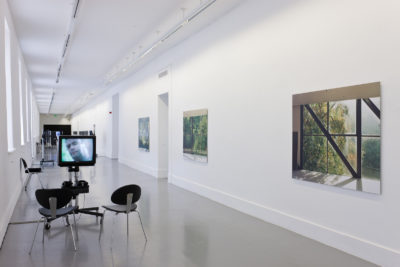
dominant role in contemporary arts practice. Art photography is recognised
as an art form in and of itself and is created increasingly for the museum
or gallery space. Many photographers use medium- or large-format cameras
to create large prints which are displayed in a manner similar to paintings.
The situation of photography within the display, collections and discourse
of many international art museums and galleries acknowledges the centrality
of its role within contemporary art and has contributed significantly to its
presentation and reception as art.
|